
Farmers and agricultural businesses in San Antonio face unique challenges, from managing crop yields to ensuring compliance with regulations. When unexpected issues arise, such as equipment breakdowns or supply chain delays, timely decision-making is crucial. These local agricultural enterprises require reliable ERP solutions to keep operations running smoothly.
Typically, businesses in the agriculture sector need a comprehensive system to manage everything from inventory to financials. Efficient ERP for Agriculture can help track production metrics, manage resources, and enhance overall productivity. Without such tools, farmers risk inefficiencies that can severely impact their bottom line, especially during peak seasons.
Erp For Private Equity provides tailored ERP for Agriculture solutions designed to optimize business processes and integrate financial software systems. With a focus on local needs, our team is equipped to support you through the implementation process, ensuring your operations in San Antonio flourish. Contact us today to discover how we can help your agricultural business thrive.
ERP Software Development in San Antonio | Erp For Private Equity
In San Antonio, the agricultural industry plays a vital role in the local economy, contributing significantly to both employment and food production. Implementing an ERP system specifically designed for agriculture can streamline operations, from crop management to supply chain logistics. By integrating data across various functions, businesses can make more informed decisions that enhance productivity and profitability.
With the average farm size in Texas steadily increasing, efficient resource management is more crucial than ever. ERP solutions tailored for agriculture allow for precise tracking of inventory, labor, and equipment, ensuring that resources are utilized effectively. This level of oversight can be the difference between a successful harvest and costly overproduction, especially in regions like Bexar County, where farming conditions can be unpredictable.
Additionally, regulations surrounding agriculture in Texas can be complex and evolving. An ERP system can help agricultural businesses maintain compliance by automatically updating necessary documentation and providing insights into regulatory changes. Companies in San Antonio can benefit from having a robust system that minimizes risks related to non-compliance and ensures smooth operations.
Real-time analytics provided by agriculture-specific ERP software can significantly improve the decision-making process. By analyzing crop yields, market trends, and financial data, farmers can adapt their strategies in response to changing conditions. For San Antonio businesses, having access to this data enables them to respond more agilely to their local market needs.
Moreover, sustainability is becoming increasingly important in agriculture. With the integration of ERP systems, farmers can better manage their environmental impact by optimizing resource usage. For example, tracking water usage and pesticide application can lead to more sustainable practices, appealing to the growing number of eco-conscious consumers in the San Antonio area.
Crop management is one of the most critical aspects of agricultural operations, and ERP systems can greatly enhance efficiency in this area. By utilizing technology to track planting schedules, soil conditions, and pest management, farmers in San Antonio can optimize their workflows. Automation of these processes allows for significant time savings and reduces the likelihood of human error.
In the context of fluctuating weather patterns and increasing pest resistance, having a responsive crop management system is vital. An ERP solution can provide timely alerts regarding weather forecasts and pest outbreaks, allowing farmers to take proactive measures. This can be especially important during the San Antonio growing season, where timing can directly impact yield.
Farmers often struggle to coordinate multiple tasks simultaneously, leading to inefficiencies. ERP systems facilitate task management by assigning activities based on priority and available resources, which can significantly improve labor productivity. This capability ensures that the right tasks are completed at the right time, thus maximizing the operational efficiency of agricultural businesses.
Moreover, integrating financial management with crop operations can provide insights into profitability at different stages of production. This financial oversight enables farmers to make strategic choices on which crops to plant based on potential returns. In San Antonio, where competitive pricing is crucial, this type of analysis can result in better financial stability for local farming operations.
Finally, the ability to share data across departments is a game-changer for agricultural businesses. With an ERP system, everyone from field workers to business managers can access up-to-date information about crop conditions and operational metrics. This level of transparency fosters collaboration and can significantly improve the overall performance of agricultural enterprises in the San Antonio area.


In an industry as regulated as agriculture, compliance is a significant concern for businesses operating in San Antonio. ERP solutions help companies maintain compliance with local, state, and federal agricultural regulations by automating documentation and reporting processes. This reduces administrative burdens and ensures that all necessary information is readily available in case of an audit.
Risk management, especially regarding food safety, is crucial for agricultural producers. ERP systems can track every stage of the supply chain, allowing for better traceability of products. In the event of a food safety concern, being able to quickly trace the origin of products can protect businesses from costly recalls and reputational damage.
Additionally, the integration of risk analysis tools into ERP systems can provide insights into potential threats facing agricultural operations. By assessing factors such as market volatility, weather events, and even labor availability, businesses can develop strategies to mitigate risks. Local farms in San Antonio can benefit from forecasting models that help them adapt their practices based on predicted challenges.
Moreover, the need for sustainability in agriculture is more pressing than ever. ERP systems can assist farmers in documenting and tracking sustainability practices, such as water usage and pesticide applications, which are increasingly important for meeting consumer expectations. This not only enhances responsible farming but also positions local businesses favorably in the marketplace.
Finally, empowering employees with the tools needed for compliance and risk management can lead to a culture of accountability within agricultural businesses. Training staff on how to use ERP systems effectively ensures that everyone is engaged in maintaining standards and practices. For San Antonio companies, this can translate into smoother operations and enhanced credibility with both regulators and consumers.
Agricultural businesses in San Antonio, TX face unique challenges, from unpredictable weather conditions to market fluctuations. Implementing an effective ERP solution can streamline operations, allowing farmers and agricultural firms to manage resources more efficiently. By integrating financial data with operational processes, companies can make informed decisions to enhance productivity and profitability.
Local farmers benefit from ERP for Agriculture by having access to real-time data that can optimize inventory management. For instance, a San Antonio-based farm using ERP software can track crop yields and supply needs dynamically, ensuring timely planting and harvesting. This proactive approach minimizes waste and maximizes return on investment in agricultural products.
An important aspect of ERP for Agriculture is its capability to enhance compliance with local regulations. In Texas, agricultural businesses must adhere to various state guidelines regarding pesticide use and food safety standards. An ERP system can help businesses maintain accurate records of compliance, simplifying audits and reducing risks associated with regulatory issues.
Moreover, ERP solutions facilitate integration across multiple entities, which is crucial for larger agricultural operations. For instance, a farm that operates both crop production and livestock can manage finances, sales, and logistics from a single platform. This holistic view helps streamline processes, ensuring that all divisions work efficiently towards common goals.
San Antonio's agricultural community can leverage ERP systems to improve collaboration among stakeholders, including suppliers and distributors. By providing a shared platform for data exchange, everyone involved can access critical information in real-time, enhancing coordination. This leads to better relationships between farms and their partners, ultimately contributing to a more sustainable agricultural ecosystem.

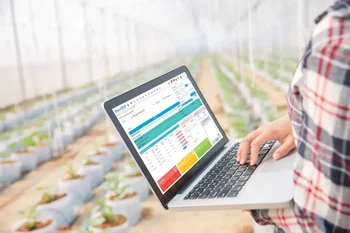
ERP for Agriculture offers features specifically designed to meet the needs of farmers in San Antonio. These include modules for managing crop cycles, labor resources, and supply chains, providing farmers with a comprehensive management tool. Businesses can track seasonal trends and adjust variables accordingly, which is essential for maximizing crop yield.
Additionally, ERP systems are equipped with forecasting capabilities that can significantly enhance planning. By analyzing historical data and market conditions, agricultural firms in San Antonio can predict demand and adjust their production strategies. This ensures that they are not only meeting local market needs but also maximizing profits.
The financial management tools integrated into ERP for Agriculture simplify budgeting and financial forecasts. Farmers operating in San Antonio can manage their expenses for seeds, equipment, and labor in a structured manner. With automated reporting features, they can easily keep track of expenditures and income, leading to better financial health for their operations.
Customer relationship management (CRM) capabilities within ERP solutions foster better connections with clients. For example, a grain supplier in San Antonio can track sales performance and customer preferences through the CRM system. This targeted approach encourages repeat business and helps in cultivating long-term partnerships with local clients.
Finally, scalability is a fundamental element of ERP for Agriculture that is particularly beneficial for San Antonio farmers. As agricultural operations grow, the ERP solution can adapt to expanding needs without requiring businesses to switch to a new system. This ensures continuity and supports the growth of agricultural enterprises in a competitive market.
Selecting an ERP for Agriculture involves understanding the specific needs of your business operations in San Antonio. It is essential to evaluate how the software integrates with existing workflows and the degree of customization it allows. Choosing a solution that aligns closely with unique regional agricultural practices can significantly enhance operational efficiency.
Moreover, consider the level of customer support offered by the ERP provider. A partner who understands the local agricultural landscape in San Antonio can offer more relevant solutions and quicker responses to problems. Effective support will ensure that the software remains a valuable asset in managing the complexity of agricultural tasks.
Another critical factor is the system's ability to produce detailed analytics. Farmers should ensure their chosen ERP has robust reporting features that provide insights into every aspect of the agriculture business. This assists in making fact-based decisions on crop management and financial planning, crucial for maintaining competitiveness.
A pilot program or demonstration can be valuable when assessing an ERP system for agriculture. Many providers offer trial periods, allowing local farmers in San Antonio to test features and see potential benefits firsthand. This practical experience can be a significant determinant in making an informed choice about the right ERP solution.
Finally, ensure scalability and future-proofing when investing in an ERP system for Agriculture. Agricultural practices can change, and the business needs may evolve over time. Opting for a flexible ERP solution allows farmers in San Antonio to adapt to market demands and technological advancements, securing their operations for years to come.

At Erp For Private Equity in San Antonio, TX, we deliver tailored ERP solutions specifically designed for the agriculture sector. Our Financial Software Solutions streamline financial management, enabling farmers and agricultural businesses to efficiently track expenses and revenues. Additionally, our ERP for Agriculture implementation ensures that systems align perfectly with your operational processes, enhancing productivity.
Our expertise in ERP Software Development means you receive a customized solution that integrates seamlessly with your specific agricultural needs. For example, if you’re managing crop cycles or livestock, our solutions can track inventory and optimize resource allocation. Notably, we are open seven days a week, making it easy for you to get in touch whenever you need support.
Furthermore, our services extend beyond agriculture. We have established a strong reputation in San Antonio for providing ERP solutions to diverse sectors, including food and beverage, construction, and logistics. This broad expertise guarantees that you benefit from best practices adopted from various industries, elevating your agriculture operations to new levels of efficiency.
Our commitment to post-acquisition integration and exit readiness services means that if you're transitioning in your agricultural business, you will have dedicated support through every stage. You won't have to navigate these complex processes alone; our experienced consultants are here to guide you every step of the way.
Choosing Erp For Private Equity means you’re partnering with a trusted local provider that understands the nuances of your industry. Don't hesitate to enhance your agricultural operations; contact us today to explore how we can support your unique needs at http://erpforprivateequity.com/.